Pigeons in the Attic
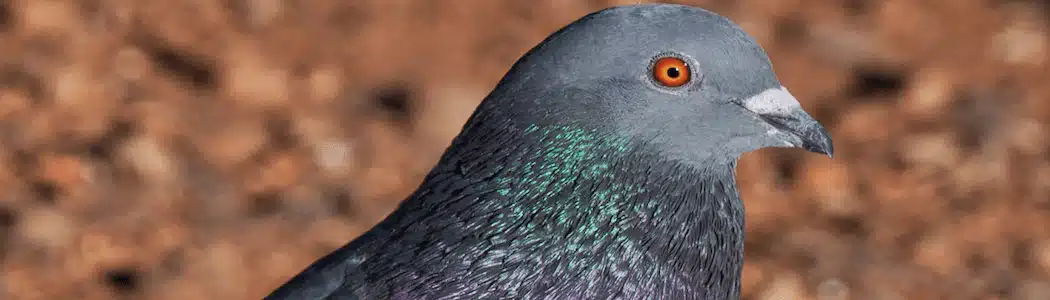
Pigeons are one of the most common birds on the planet. Living in cities, suburbs, and rural areas, they adapt amazingly well to man-made environments. Our environments check off all of their needs.
We build structures that mimic their natural habitat. Originally living on rocky cliffs, our high roofs with nooks created by soffits, vents, and eaves seem just like their ancestral cliffside residences. We provide a continual food source from our trash, birdseed, and outdoor dining areas. There are fewer predators for them in the city. And, our attics provide ideal nesting places.
How Do Pigeons Get Inside an Attic?
Rooflines are sometimes a neglected area of a home because they’re above our sight level. And, those areas also get a beating from rain, snow, and ice. For pigeons who can scout out a roof from above, it’s easier to discover the vulnerabilities.
Pigeons will use vents without covers or screens, gaps, open chimney flues, or worn fascia boards to enter roofs. If your home has ledges near the roof, pigeons will sometimes use them as a place to nest. Once one pigeon gets in, others follow, often enlarging the size of the opening as they come and go.
The bad news is that once pigeons are on or in your home, they’ve decided your home is their home. They’ll stay as long as your home fills their needs.
Why Are Pigeons Inside the Attic?
Your attic is high off the ground and safe from predators, sheltered from bad weather, and quiet and undisturbed. To a pigeon, it’s a dream home. Rafters become perfect roosting areas, and quiet corners become the perfect place to lay their eggs.
Pigeons will use your attic as a home base. They don’t wander too far looking for food, as they’ve already identified your surroundings as a regular source of food. They’ll memorize a few reliable food spots – your yard and nearby yards with bird feeders, pet food, flower seeds, and items like bread or French fries stolen from the trash
What Problems Are Cause by Pigeons in the Attic?
Pigeons cause costly damage and pose health risks. And, the longer they stay, the worse it gets.
Droppings
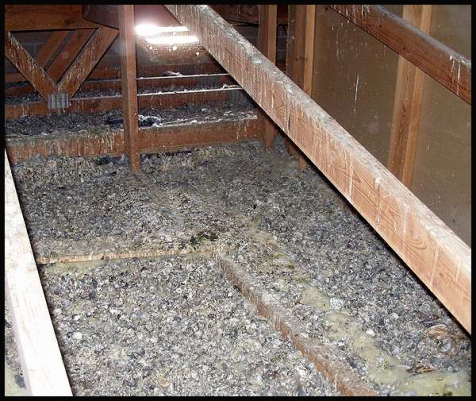
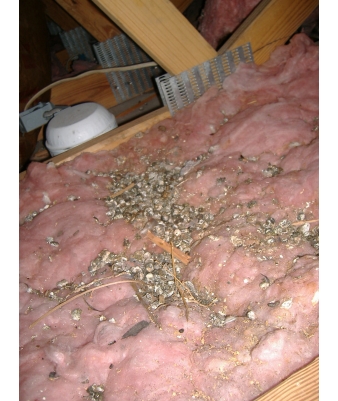
Pigeon droppings contain a significant amount of uric acid. Over time, the buildup is quite corrosive, damaging wood, metal, attic insulation, shingles, and roofing. As they fly about, they could even damage your car, deck, and walkways. On decks and walkways, their droppings become slip hazards too.
Health Risks
When dry droppings become airborne, they can transmit diseases such as histoplasmosis, salmonella, and cryptococcosis. Droppings can also aggravate asthma and allergies. Health risks increase if their nests are located near your HVAC, where they can be circulated in your living area. Pigeons also carry parasites that can spread to you, your family, and your pets. Lice, mites, fleas, and ticks live in their living area and can disperse to human living spaces should pigeons leave.
Noise
Noise is often the first thing people notice when pigeons build nests in people’s homes. Cooing, especially in the morning and evening, can become quite loud when a pair of pigeons is courting. You might also hear wing flapping and sounds from them walking across beams.
Vents & Gutters
Pigeons can easily block vents, chimneys, and gutters, causing air blockages, water back-ups, and even a fire hazard.
Solar Panel Damage
Pigeons nesting underneath solar panels can cause reduced efficiency and overheating, resulting in costly maintenance and repairs.
How to Solve Pigeons in the Attic
A pigeon problem is not easy to solve on one’s own, especially if you have a colony of them nesting in your attic. Their instinct tells them to return to the same spot, so even after removal, they might fly about attempting to re-enter your attic.
• You need to make sure you get them all out.
• You need to seal all entry points.
• You need to make your environment less attractive to them.
Professional Bird Control for Pigeons in the Attic
When you need a fast and effective long-term solution to pigeons in the attic, contact Critter Control. Critter Control provides safe and humane solutions developed over forty years in business. Critter Control services begin with a thorough inspection that culminates in a plan specific to your situation. After our inspections, we conduct bird removal in compliance with wildlife laws, then we seal all entry points. We clean up after the birds and sanitize the area to protect your health. And, finally, propose deterrents to prevent birds from re-entering your home.
Contact Critter Control before pigeons cause costly damage at your home.